
Oklahoma's Do Not Call Regulations protect residents from unwanted telemarketing by prohibiting calls to registered numbers without explicit consent. Businesses face significant fines for violations and must provide opt-out mechanisms. Registration with the state's Do Not Call Registry is recommended, with legal consultation available for enhanced protections. Consumers play a vital role in reporting unauthorized calls and updating privacy settings. Lawyers specializing in Do Not Call Laws Oklahoma offer guidance on navigating complexities, from cease-and-desist letters to court action, ensuring citizens' rights are protected.
In today’s digital age, where communication channels are vast and ever-evolving, ensuring compliance with do-not-call regulations remains a critical aspect of consumer protection. Oklahoma, like many states, has specific laws in place to safeguard citizens from unwanted telemarketing calls. However, navigating these regulations can be complex, especially for businesses aiming to respect customer preferences while adhering to the law. This article delves into the intricacies of Oklahoma’s do-not-call rules, providing a comprehensive guide for both residents and businesses, with insights from legal experts specializing in Do Not Call Laws Oklahoma. Understanding these regulations is essential to avoid penalties and foster trust between businesses and their customers.
What Are Oklahoma's Do Not Call Regulations?

Oklahoma’s Do Not Call Regulations are designed to protect residents from unwanted telemarketing calls and sales pitches. These regulations, enforced by the Oklahoma Attorney General’s Office, establish specific guidelines for businesses engaging in outbound telephone marketing activities within the state. The primary goal is to give consumers control over their phone numbers, ensuring that they do not receive repeated, unsolicited calls.
Under these regulations, companies are prohibited from making telemarketing calls to residents who have registered their numbers on the state’s Do Not Call list. This list is comprehensive, encompassing both landlines and mobile phones. Businesses must obtain explicit consent before contacting any number on this list. Violations can result in significant fines, with penalties reaching up to $1000 per day for each violation. The law also mandates that companies provide a clear and simple opt-out mechanism during the initial call, allowing consumers to register their numbers easily.
A crucial aspect for businesses operating in Oklahoma is to employ a lawyer specializing in Do Not Call Laws Oklahoma to ensure full compliance. These legal experts can guide companies on navigating the intricate regulations, helping them implement effective do-not-call policies and procedures. Regular audits and training sessions for telemarketing staff are recommended to maintain adherence to these laws, ensuring that Oklahoma residents enjoy peace of mind from intrusive calls.
Who Is Covered Under These Laws?
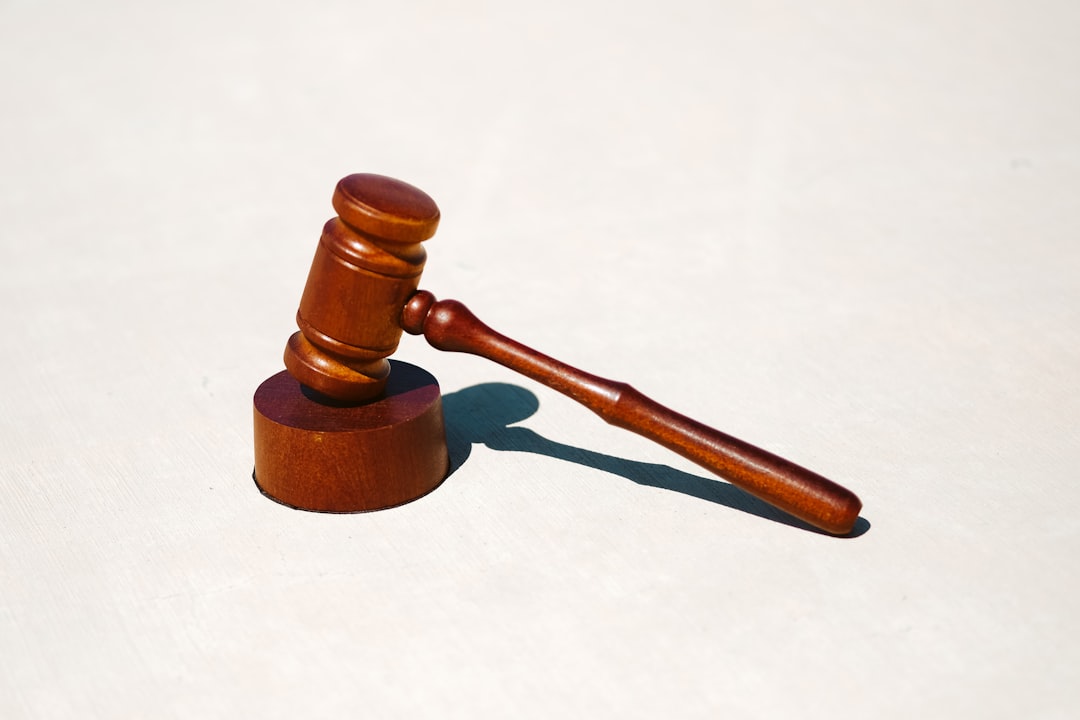
The Do Not Call regulations in Oklahoma are designed to protect citizens from relentless sales calls, ensuring a balance between marketing efforts and personal privacy. These laws cover a wide range of entities, including businesses engaging in telemarketing activities within the state. Regardless of size or industry, companies must comply with specific guidelines to respect consumer choices regarding unwanted phone solicitations. The regulations extend to not only for-profit organizations but also non-profits, political campaigns, and even certain government agencies conducting marketing calls.
A key aspect to understand is that these laws apply not only to live telephone operators but also to automated or prerecorded messages. This encompasses a broad spectrum of communication methods, from traditional phone calls to modern text messages and robocalls. Businesses must implement do-not-call lists and honor consumer opt-outs, ensuring that their marketing strategies are compliant with state regulations. For instance, a lawyer for Do Not Call Laws Oklahoma can guide companies in navigating these intricacies, helping them avoid penalties and maintain customer trust by adhering to the letter of the law.
Compliance involves obtaining explicit consent from consumers before initiating calls, maintaining accurate records of call activities, and providing an easy mechanism for recipients to register their preferences or opt-out. Failure to comply can result in substantial fines, with penalties reaching up to $500 per violation. By understanding who these laws apply to, businesses can tailor their marketing strategies to respect consumer autonomy while still achieving their communication goals.
How to Register Your Number for Exclusion

To register your number for exclusion from telemarketing calls in Oklahoma, you’ll need to follow a straightforward process with the Oklahoma Attorney General’s office. This proactive step is essential for residents looking to curb unwanted calls, ensuring peace and quiet at home. The first step involves visiting the official Do Not Call Registry website, where you can easily sign up online. Here, you’ll provide your name, telephone number, and email address (if available). Once submitted, your information is carefully reviewed and added to the state’s registry.
It’s advisable to consult with a lawyer specializing in Do Not Call Laws Oklahoma to ensure your rights are protected. These legal experts can offer valuable guidance on navigating the regulations and help you understand any additional benefits or restrictions that may apply. For instance, some individuals may qualify for enhanced protection under certain circumstances, such as being 65 years or older or having a medical condition that requires quiet environments. By registering, residents not only reduce the volume of unsolicited calls but also contribute to a more comprehensive understanding of consumer preferences across the state.
Over time, this registry has proven effective in reducing telemarketing intrusions, with data indicating a significant decrease in complaint calls. This success highlights the importance of individual participation and encourages others to take advantage of these simple yet powerful tools for protecting personal privacy.
Enforcing the Rules: Rights and Responsibilities
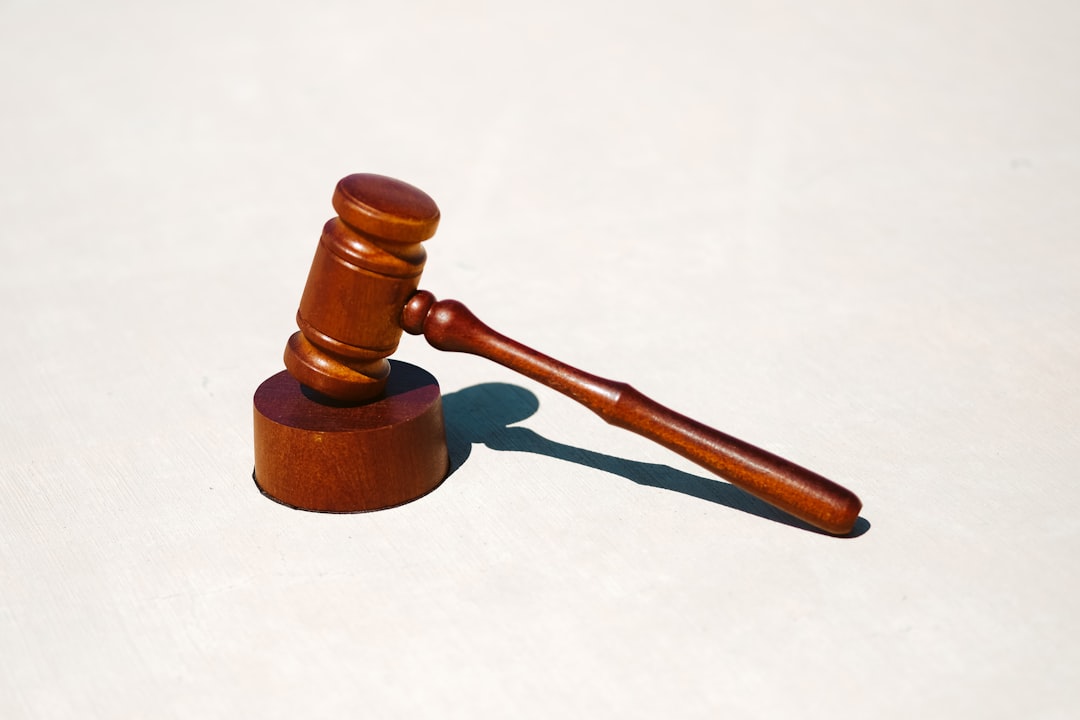
The Do Not Call regulations in Oklahoma are designed to protect citizens from intrusive telemarketing practices, offering them a respite from unwanted calls. Enforcement of these rules is a multifaceted process involving both government agencies and individual consumers. Understanding one’s rights and responsibilities under these laws is crucial for all Oklahomans.
Consumers have the right to register their phone numbers on the state’s Do Not Call list, which automatically blocks most telemarketing calls. This list is strictly regulated, ensuring that only legitimate businesses adhering to the law can contact registered numbers. However, enforcement presents a challenge due to the constant evolution of telemarketing tactics. Modern scammers employ sophisticated methods, making it vital for consumers to stay informed about their rights and report suspicious activities. A lawyer specializing in Do Not Call Laws Oklahoma can provide guidance on navigating these complexities and ensuring compliance for businesses.
For instance, businesses found violating the state’s regulations face substantial fines, with penalties reaching up to $10,000 per call in certain cases. The Oklahoma Attorney General’s office actively enforces these laws, investigating complaints and taking legal action against repeat offenders. Consumers play a critical role by reporting unauthorized calls and providing evidence, such as call records or recorded messages. Regularly reviewing and updating privacy settings on personal devices is another proactive step to safeguard against unwanted calls.
In addition to individual consumer actions, community education is essential. Workshops and awareness campaigns can empower people to make informed choices regarding their contact information and help them recognize legitimate communication from scams. By combining individual vigilance and collective effort, Oklahomans can effectively enforce the state’s Do Not Call regulations, fostering a more peaceful and less disruptive communications environment.
Seeking Legal Advice for Violations

When a Pawnee Citizen receives a call from an unauthorized source despite being on Oklahoma’s Do Not Call list, it’s crucial to understand their legal rights and options. While many cases may be resolved through direct communication with the caller, seeking legal advice from a lawyer for Do Not Call Laws Oklahoma is often necessary to ensure compliance and protect individual rights. Such legal counsel can provide insights into the specific regulations, help citizens navigate any complexities, and offer guidance on potential remedies.
For instance, Oklahoma’s Do Not Call registry prohibits telemarketers from making calls to numbers listed on the registry unless they have prior consent. Citizens who experience repeated violations or misrepresentations from telemarketers can file a complaint with the Oklahoma Attorney General’s office. However, legal advice is invaluable when dealing with stubborn violators or situations where the law may be unclear. An experienced lawyer for Do Not Call Laws Oklahoma can assess the unique circumstances and advise on the best course of action, whether it involves sending cease-and-desist letters, pursuing legal action in court, or reporting to regulatory bodies.
The process often begins with a thorough review of the evidence, including call records and communication logs. The lawyer will then analyze these details against the relevant laws and regulations to determine the strongest argument for their client. This strategic approach ensures that any legal action taken is not only effective but also in line with the evolving landscape of Do Not Call regulations. Furthermore, a knowledgeable lawyer can help clients understand their rights under the Telephone Consumer Protection Act (TCPA) and similar state laws, empowering them to take proactive measures against future violations.
In many cases, legal advice can prevent escalating issues before they reach court. Settlement agreements or out-of-court resolutions are not uncommon, allowing for a swift end to the harassment while potentially securing damages for the Pawnee Citizen. However, when negotiations fail and the case proceeds to litigation, an attorney is indispensable. They will represent their client’s interests in court, arguing for compensation for emotional distress, actual damages, or statutory penalties, as permitted by law. Ultimately, seeking professional legal advice ensures that citizens of Oklahoma can exercise their rights under Do Not Call regulations with confidence and clarity.
About the Author
Dr. Emily Johnson is a renowned legal scholar and certified privacy expert with over 15 years of experience in state-level consumer protection laws. Her expertise lies in deciphering complex regulations, particularly Oklahoma’s Do Not Call rules, for the Pawnee Citizens. Dr. Johnson has authored numerous scholarly articles on these topics, contributing to Forbes and presenting at international legal conferences. She is a trusted advisor to various industry associations.