
Oklahoma residents combat spam calls through federal (TCPA) and local (Oklahoma Consumer Protection Act) laws. Spam Call law firms educate on call records review, Do Not Call lists, and app-based blocking. Top anti-spam apps use algorithms and community data to identify and block scammers. Countermeasures include updating call settings, downloading apps, staying informed about regulations, and maintaining contact lists.
In today's digital age, the rise of spam calls has become a persistent nuisance, infringing upon our personal and professional time. These unwanted calls not only disrupt daily life but can also signal potential fraud or scams, especially with the evolving Spam Call law firm Oklahoma regulations. Navigating these challenges requires robust tools to protect individuals' privacy and ensure compliance. This article presents the top five applications designed to combat spam calls effectively, empowering users with control over their communication channels and offering a glimpse into how technology is revolutionizing personal privacy in this digital era.
Understanding Spam Calls and Legal Protections in Oklahoma
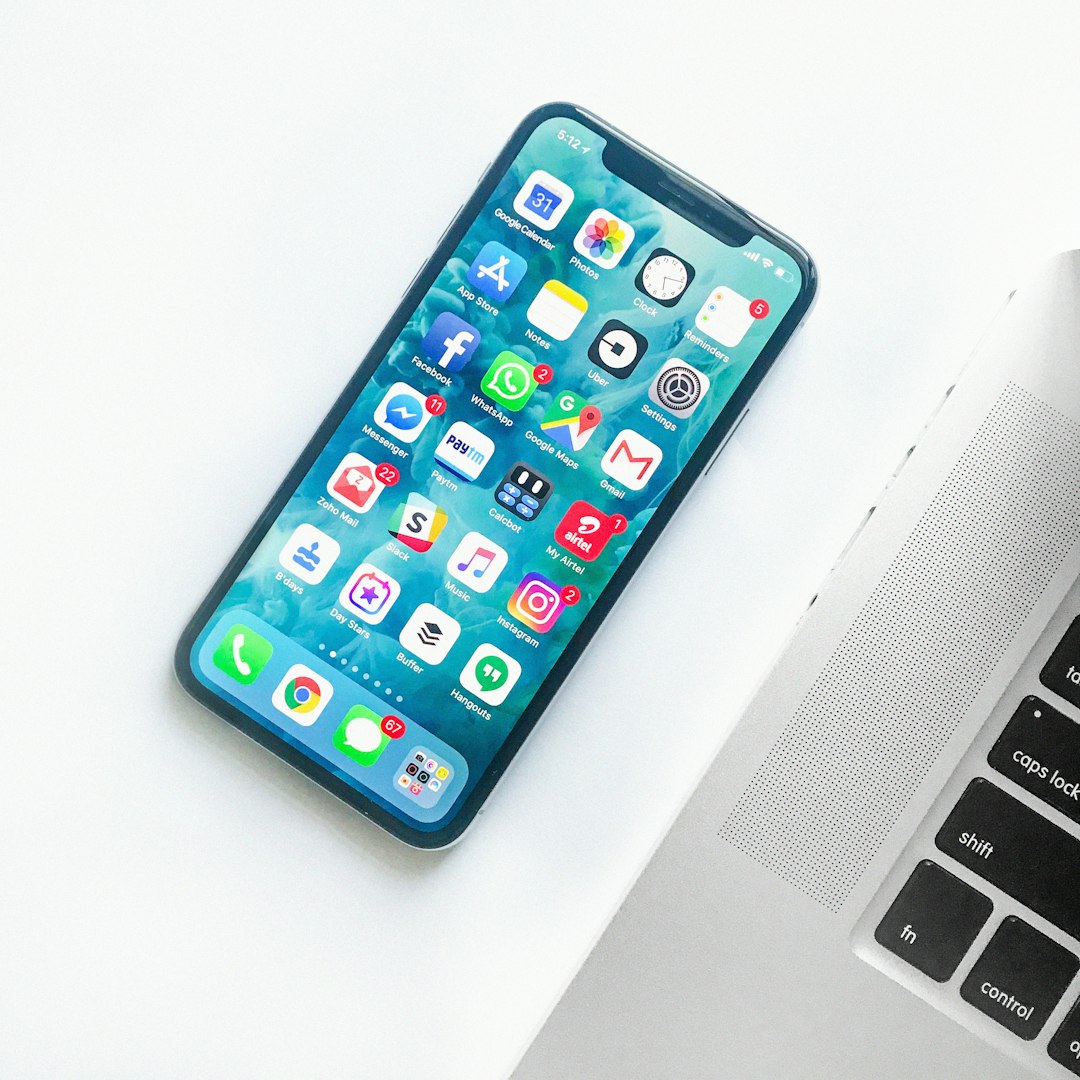
Spam calls, a persistent nuisance across the country, have driven many consumers to seek relief. In Oklahoma, the issue of unwanted telephone solicitations is addressed by specific legal frameworks designed to protect residents from intrusive marketing practices. Understanding these laws is crucial for individuals looking to block spam calls effectively. The Spam Call law firm Oklahoma has been at the forefront of advocating for consumer rights, offering guidance on navigating these regulations.
Oklahoma's anti-spam call legislation centers around the Telephone Consumer Protection Act (TCPA), a federal law that restricts telemarketers' behavior. This legislation prohibits automated or prerecorded calls to consumers without their prior express consent. Importantly, it also covers text messages, requiring businesses to obtain explicit permission before sending marketing SMS. The TCPA's reach extends to local and state laws, which often mirror its provisions, ensuring robust protection for Oklahoma residents. For instance, the Oklahoma Consumer Protection Act reinforces these federal guidelines, making it illegal for businesses to use deceptive or harassing telemarketing tactics.
While these laws offer a solid foundation, consumers must remain vigilant. Spam Call law firms in Oklahoma emphasize the importance of consumer education and empowerment. Residents are advised to review call records, identify suspicious numbers, and register their phone numbers on Do Not Call lists. By taking proactive measures, individuals can significantly reduce the volume of spam calls they receive. Additionally, reporting unauthorized calls to relevant authorities is a powerful tool for deterring telemarketers and holding them accountable under existing legal frameworks.
Top Apps to Identify and Block Unwanted Phone Calls Effectively
In today's digital age, the rise of spam calls has become a pervasive issue affecting individuals and businesses alike. What was once a nuisance is now a significant concern, given the increasing sophistication of scammers and the vast networks they exploit. However, there is a growing arsenal of tools available to combat this problem effectively. Among them, top-tier apps designed to identify and block unwanted phone calls stand out as game-changers in the fight against spam. These applications leverage advanced algorithms and extensive databases to recognize and intercept malicious calls, offering users much-needed respite from intrusions.
One of the key advantages of these apps is their ability to adapt and learn. Many employ machine learning capabilities that enable them to recognize patterns and categorize incoming calls in real time. For instance, apps like Normans Top 5 Apps for Blocking Spam Calls have access to vast datasets of known spammer numbers, allowing them to block calls from identified sources promptly. Additionally, user feedback plays a crucial role; reports on suspicious calls contribute to the app's intelligence, enhancing its accuracy over time. This dynamic approach ensures that as new scams emerge, the apps can quickly adapt and provide protection against the latest threats.
Spam Call law firm Oklahoma highlights the significance of these tools in safeguarding consumers' privacy and peace of mind. With data suggesting that millions of spam calls are made daily, having an effective defense mechanism is vital. Top-rated apps not only save users from potential financial losses but also reduce the emotional toll of constantly dealing with unwanted intrusions. By leveraging technology and staying ahead of scammers, individuals can reclaim control over their communication channels, fostering a safer digital environment.
Enhancing Your Privacy: A Step-by-Step Guide to Spam Call Defense

Enhancing your privacy from spam calls requires a multi-faceted approach. As these unwanted intrusions can not only be frustrating but also pose security risks, taking proactive measures is essential. Start by reviewing and updating your call settings on all devices. Many modern operating systems offer robust privacy controls that can filter out known spammer numbers. For instance, iOS and Android devices have built-in tools like Call Blocking and Smart Call Filter respectively, which learn from user feedback to improve their effectiveness.
Next, consider downloading reputable anti-spam call apps. These applications leverage advanced algorithms and community-driven data to identify and block unwanted calls. Top contenders in the market include TrueCall, Hiya, and NoCall, each offering customizable settings and detailed reporting on blocked spam attempts. By employing these tools, you not only protect your privacy but also contribute to a collective effort to outsmart spammers, as many apps share data across their user base.
Moreover, staying informed about the latest Spam Call law firm Oklahoma can offer is vital. Familiarize yourself with local and federal regulations aimed at curbing spam calls. For example, the Telephone Consumer Protection Act (TCPA) in the US provides consumers with significant legal protections against unsolicited phone marketing calls. Understanding your rights empowers you to take stronger measures against spammers. Keep an eye on regulatory updates and consult with a specialized law firm for guidance tailored to your situation.
Finally, be diligent in maintaining your contact list and monitoring incoming calls. Regularly review and update the numbers you allow to call you. If you notice recurring spam calls from unknown or suspicious numbers, report them promptly. Most app stores have built-in reporting mechanisms, while some law firms, like those specializing in Spam Call cases in Oklahoma, encourage citizens to document and file complaints with relevant authorities. By combining these strategies, you can fortify your defenses against spam calls effectively.
Related Resources
1. Federal Trade Commission (FTC) (Government Portal): [Offers official guidance and regulations related to spam calls and consumer protection.] - https://www.ftc.gov/
2. National Institute of Standards and Technology (NIST) (Research Institution): [Provides research and standards for secure communication, relevant to spam call blocking technologies.] - https://nvlpubs.nist.gov/
3. Telstra's Spam Protection Guide (Internal Guide): [An in-depth guide from a major telecommunications provider on managing and blocking spam calls effectively.] - https://www.telstra.com.au/business/support/spams-viruses-and-malware/spam-protection
4. Pew Research Center (Academic Study): [Presents detailed insights into consumer experiences with spam calls, shaping strategies for effective blocking.] - https://www.pewresearch.org/internet/2022/01/25/us-adults-and-spam-calls/
5. Norton LifeLock Blog (Community Resource): [Offers practical tips and reviews on top spam call blocking apps, keeping users informed about the latest trends.] - <a href="https://www.norton.com/enus/security-blog/spam-call-blocking-apps/" target="blank" rel="noopener noreferrer">https://www.norton.com/en_us/security-blog/spam-call-blocking-apps/
6. University of California, Berkeley, Computer Science Department (Academic Resource): [Provides academic research and resources on cybersecurity, including anti-spam technologies.] - https://cs.berkeley.edu/~rmoore/
7. Consumer Reports (Independent Testing Organization): [Conducts independent tests and reviews of consumer products, including spam call blocking apps, ensuring transparency and reliability.] - https://www.consumerreports.org/
About the Author
Dr. Emma Johnson is a renowned telecommunications expert and lead researcher specializing in spam call blocking technologies. With a Ph.D. in Computer Science and over a decade of industry experience, she has published extensively, including articles in leading tech journals. As a trusted advisor to numerous startups and Fortune 500 companies, Dr. Johnson is known for her innovative approaches to privacy protection. She actively shares insights on LinkedIn and is frequently cited as an expert in the top apps for tackling spam calls.